
Finland | Why It Works

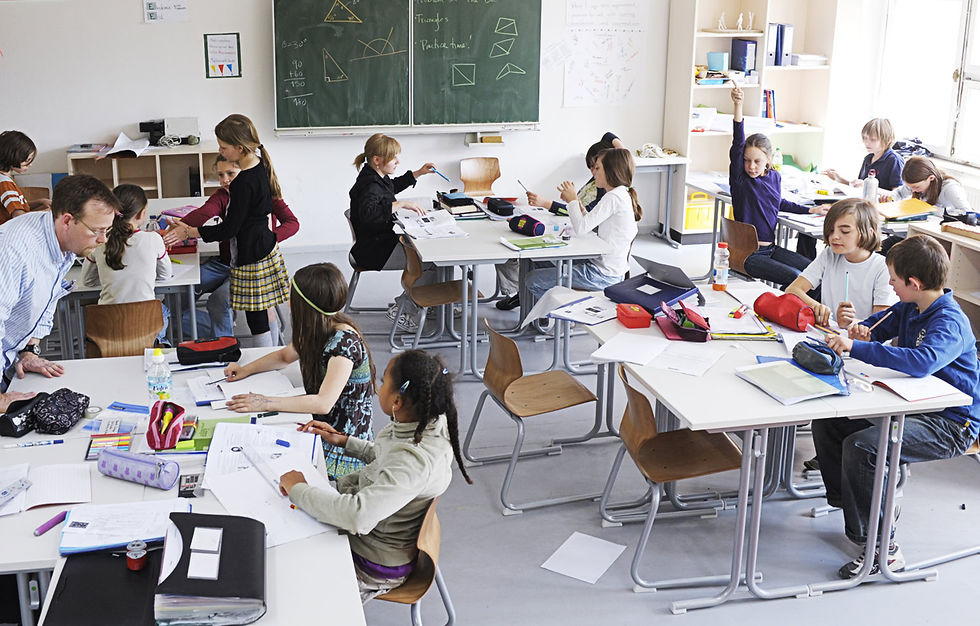
Finland’s education system is often praised for its incredible success despite spending less per student than many other countries, including the U.S. This page explores the structure, support services, and unique educational approach that makes Finnish schools so effective.
Main Points
Funding Comparison
Cost Efficiency:
The U.S. spends about 23% more per primary student than Finland.
Despite higher spending, the U.S. ranks lower in education quality compared to Finland.
System Structure
All-Public System:
Finland has only publicly funded schools, reducing competition and ensuring uniformly high-quality education.
Depoliticized Education:
The system is not highly politicized, which helps maintain consistency and excellence
Support Services
Comprehensive Student Support:
Free meals, transportation, and healthcare services (including nurses, dentists, psychologists, and social workers) are provided in Finnish schools.
Teacher Respect:
Teachers in Finland are highly respected and are compensated fairly, contributing to a more motivated and stable workforce.
Educational Approach
Delayed Formal Education:
Formal schooling begins at age 7, after universal preschool and daycare.
Play-Based Learning:
The system emphasizes learning through play, has minimal homework, and does not use national standardized tests.
Integrated Movement:
Schools incorporate regular play breaks—15 minutes per 45 minutes of instruction—to promote physical activity and social/emotional development.
Key Findings
Global Rankings & Impact on Students
High International Rankings:
Positive Student Outcomes:
The focus on play, movement, and a supportive learning environment leads to better behavior, longer attention spans, and improved academic performance.
Enrollment and Completion Rates:
88% of Finnish children are enrolled in early childhood education, 99% complete secondary school, and 93% graduate high school.
Teacher Education & Recruitment
Rigorous Selection Process:
Only about 10% of applicants are accepted into teacher education programs at institutions like the University of Helsinki.
The process includes a national written test followed by an aptitude test to identify candidates with a genuine passion for teaching—not just the highest academic scores.
Diverse Talent Pool:
Accepted students come from a wide range of academic backgrounds, proving that teaching ability is not solely about being the “best and brightest.”
Challenging the Myth:
The Finnish model debunks the myth that only academically superior individuals can be effective teachers. Success in teaching is nurtured from diverse talents including those skilled in athletics, music, or leadership.
Teacher Autonomy and Professionalism
High Degree of Autonomy:
Teachers in Finland enjoy significant professional autonomy, which enhances job satisfaction and reduces burnout.
Status and Expertise:
Teaching is a highly respected profession, reinforced by the requirement for a master’s degree and selective teacher training programs. This ensures a stable pool of well-qualified educators.
Conclusion
Finland’s education system shows that a well-designed public school model with equitable funding, comprehensive support services, and a focus on student well-being and teacher empowerment, can yield outstanding outcomes. By embracing a holistic and child-centered approach, Finland demonstrates that quality education does not depend solely on high spending, but on smarter policies and a supportive environment.


Comments